
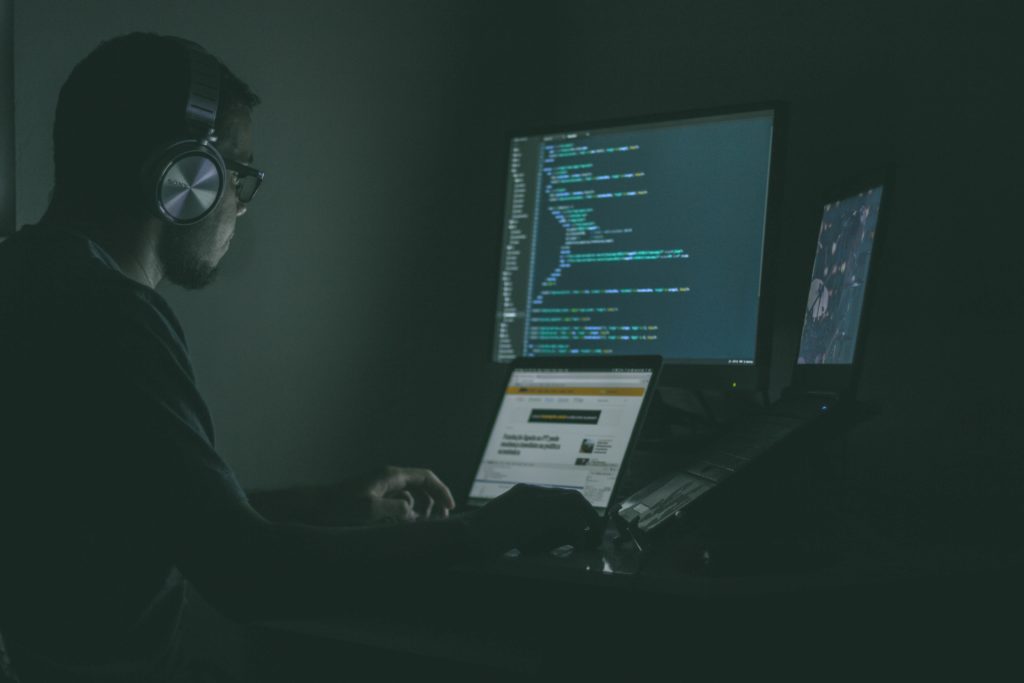
In computers and computer networks, an attack is any attempt to expose, alter, disable, destroy, steal or gain information through unauthorized access to or make unauthorized use of an asset. A cyberattack is any offensive maneuver that targets computer information systems, infrastructures, computer networks, or personal computer devices.
An attacker is a person or process that attempts to access data, functions, or other restricted areas of the system without authorization, potentially with malicious intent. Depending on the context, cyberattacks can be part of cyberwarfare or cyberterrorism. A cyberattack can be employed by sovereign states, individuals, groups, society, or organizations, and it may originate from an anonymous source. A product that facilitates a cyberattack is sometimes called a cyberweapon.
WikiLeaks is an international non-profit organisation that
publishes news leaks and classified media provided by anonymous
sources. Its website, initiated in 2006 in Iceland by the
organisation Sunshine Press, stated in 2015 that it had released
online 10 million documents in its first 10 years. Julian
Assange, an Australian Internet activist, is generally described
as its founder and director. Since September 2018, Kristinn
Hrafnsson has served as its editor-in-chief.
WikiLeaks has variously described itself as an organization of
journalists, political activists, mathematicians, and start-up
company technologists, an intermediary between sources and
journalists, an advocacy group for sources, and a public
intelligence agency.
The inspiration for WikiLeaks was Daniel Ellsberg's release of
the Pentagon Papers in 1971. Assange built WikiLeaks to
shorten the time between a leak and its coverage by the media.
WikiLeaks was initially established in Australia but its
servers were soon moved to Sweden and other countries that
provided legal protection for the media. The wikileaks.org
domain name was registered on 4 October 2006.The website was
established and published its first document in December 2006.
Before his arrest, WikiLeaks was usually represented in public
by Julian Assange, who has been described as "the heart and
soul of this organisation, its founder, philosopher,
spokesperson, original coder, organiser, financier, and all
the rest". Assange formed an advisory board in the early days
of WikiLeaks, filling it with journalists, political activists
and computer specialists. Daniel Domscheit-Berg, Sarah
Harrison, Kristinn Hrafnsson and Joseph Farrell are other
publicly known associates of Assange who have been involved in
the project.
Julian Paul Assange is an Australian editor, publisher, and
activist who founded WikiLeaks in 2006. WikiLeaks came to
international attention in 2010 when it published a series of
leaks provided by U.S. Army intelligence analyst Chelsea
Manning. These leaks included the Baghdad airstrike Collateral
Murder video (April 2010), the Afghanistan war logs (July
2010), the Iraq war logs (October 2010), and Cablegate
(November 2010). After the 2010 leaks, the United States
government launched a criminal investigation into WikiLeaks.
fall into the trap. This is why employee awareness is vital.
One of the most efficient ways to protect against
cyber attacks and all types of data breaches is to train your
employees on cyber attack prevention and inform them of
current cyber attacks.
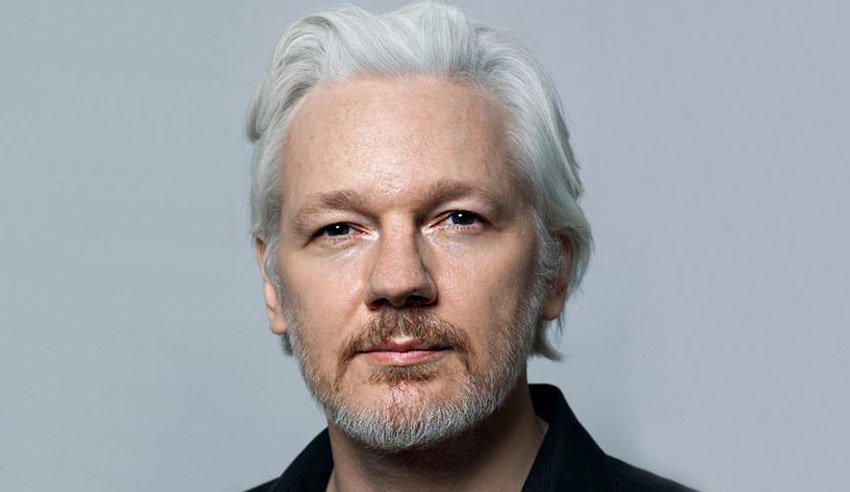
According to WikiLeaks, the goal of the organisation is "to
bring important news and information to the public … One of
our most important activities is to publish original source
material alongside our news stories so readers and historians
alike can see evidence of the truth." It also seeks to ensure
that journalists and whistleblowers are not prosecuted for
emailing sensitive or classified documents. The online "drop
box" is described by the WikiLeaks website as "an innovative,
secure and anonymous way for sources to leak information to
iLeaks journalists".
In a 2013 resolution, the International Federation of
Journalists, a trade union of journalists, called WikiLeaks a
"new breed of media organisation" that "offers important
opportunities for media organisations".
The legal status of WikiLeaks is complex. In 2010, WikiLeaks
set up a private limited company in Iceland for administrative
purposes, according to a long-time spokesman and later
editor-in-chief. The organisation was also creating legal
entities in France and Sweden, and operated in Australia.
Assange considers WikiLeaks a protection intermediary.
Rather than leaking directly to the press, and
fearing exposure and retribution, whistleblowers can leak to
WikiLeaks, which then leaks to the press for them.
Date: November 2007
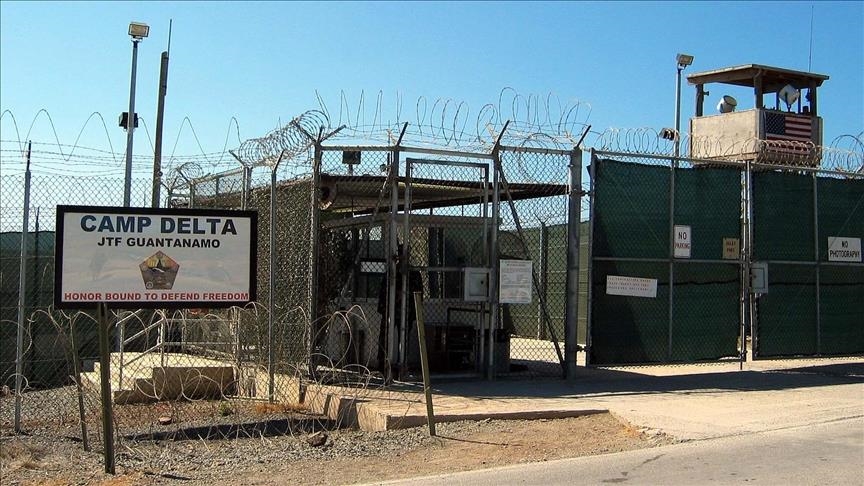
One of Assange and WikiLeaks first big releases was of a
238-page Army manual from 2003 on "standard operating
procedures" for the Camp Delta prison in Guantanamo Bay, Cuba.
The manual showed the Army had a policy of keeping some
prisoners from Red Cross inspectors and holding new prisoners
in isolation for two weeks to make them more compliant for
interrogators.
Date: November 2009
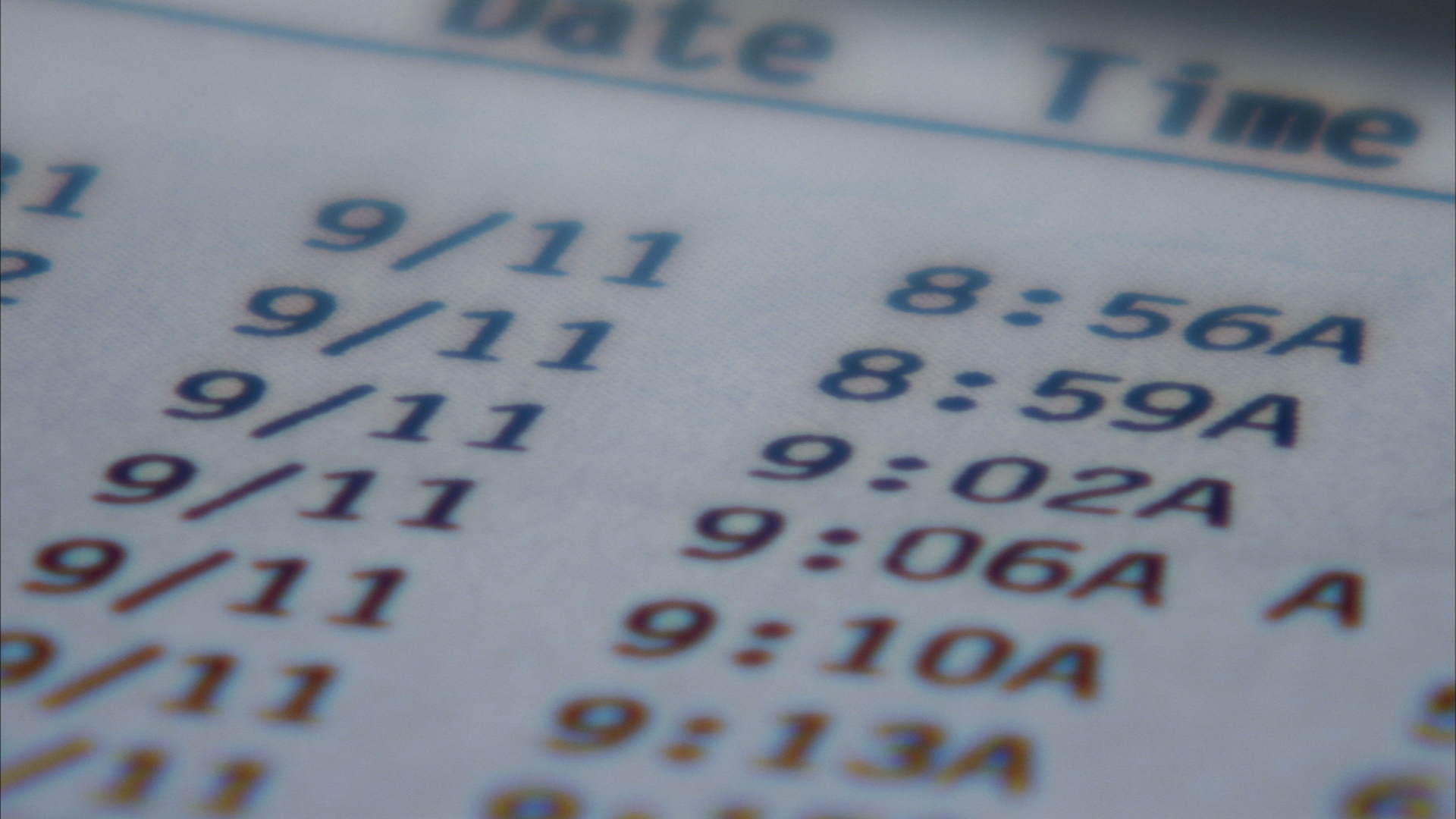
WikiLeaks published more than half a million pager messages
sent within a 24-hour period around the September 11, 2001,
terrorist attacks that killed nearly 3,000 people.
The messages included exchanges from "Pentagon, FBI, FEMA and
New York Police Department" officials. "We hope that its
entrance into the historical record will lead to a nuanced
understanding of how this event led to death, opportunism and
war," WikiLeaks said of the release.
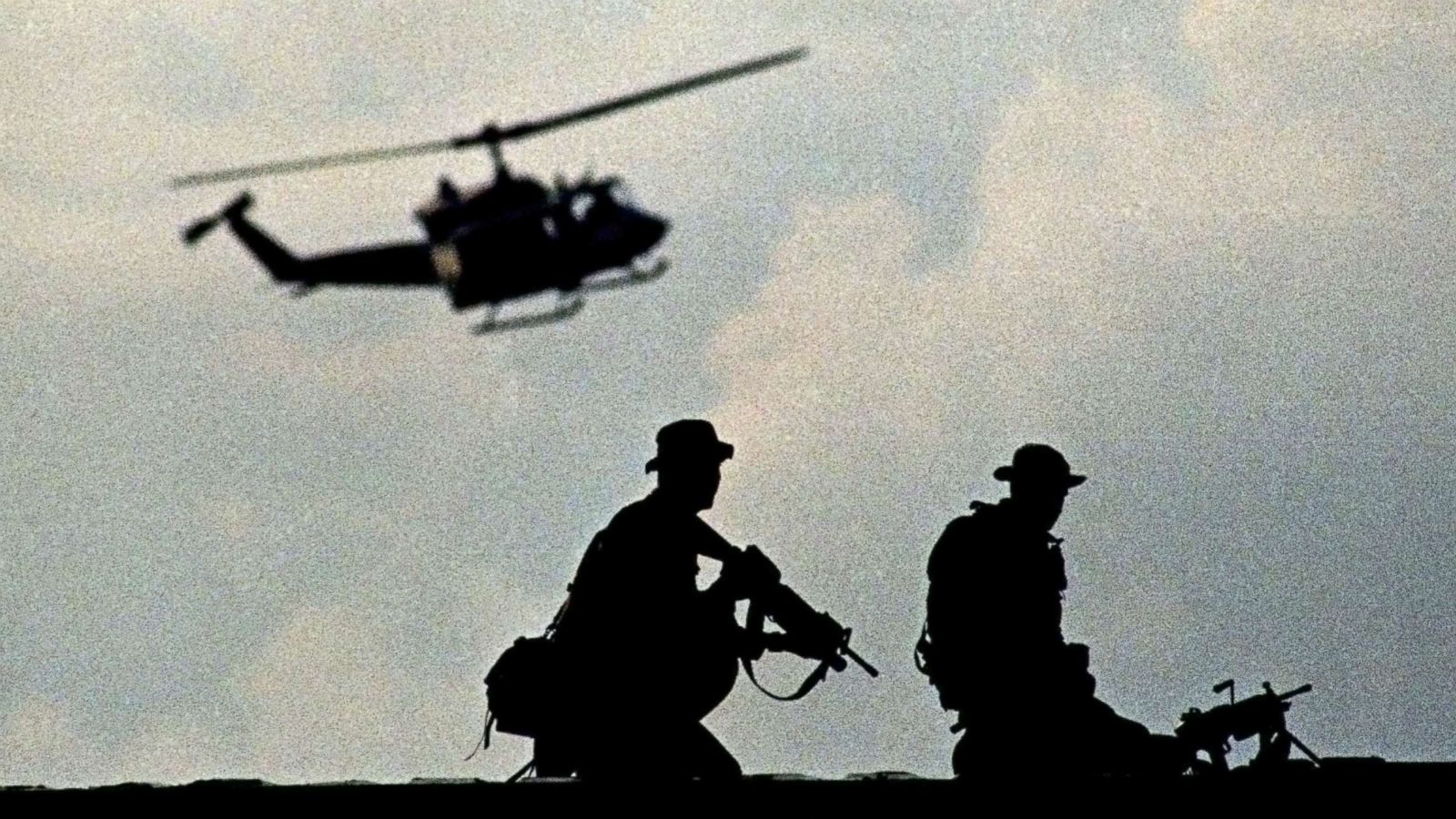
Date: April 2010
WikiLeaks published video footage from a 2007 U.S. Apache
helicopter attack in Baghdad, Iraq, that killed at least nine
men, including a Reuters news photographer and his driver.
Army soldier Bradley Manning, a transgender woman who later
became known as Chelsea Manning, was later arrested for the
release of the video and other classified material about the
conduct of the war and civilian deaths.
Date: July and October 2010
In 2010, WikiLeaks published a trove of classified documents
about U.S. military action. It released more than 90,000
documents related to Afghanistan and later published more than
400,000 documents from the war in Iraq.
The documents included information about civilian deaths, the
hunt for al-Qaida leader Osama bin Laden and Iran's backing of
militants in Iraq.

Date: November 2010 to
September 2011
More than 250,000 unredacted U.S. diplomatic cables dating
from December 1966 to February 2010 were released in the what
was referred to as "Cablegate."
Then-Secretary of State Hillary Clinton called the release "an
attack on the international community." The documents included
verification that the U.S. had conducted secret drone strikes
in Yemen, details of U.S. efforts to get information on United
Nations representatives, a push by Saudi Arabia's royal family
to have the U.S. strike Iran and a description of Russia under
Vladimir Putin as a "virtual mafia state."
Date: July and October 2016
On July 22, 2016, WikiLeaks released nearly 20,000 Democratic
National Committee emails and on Oct. 7, 2016, it released
another 2,000 emails from Clinton campaign manager John
Podesta.
The emails, which U.S. intelligence later determined had been
stolen by hackers working for the Russian government, appeared
to show that the DNC had favored Clinton over her rival,
Vermont Sen. Bernie Sanders. Among the damaging information in
Podesta's emails was the news that then-acting DNC Chairwoman
Donna Brazile had given the Clinton campaign debate questions
in advance.
© Innovation Academy 2021, Inc. All rights reserved